Dr. Anita Yadav: Dedicated SME Lenders and a Fast Restructuring Framework Would Unlock More Gulf Lending
Global Credit Advisory CEO Dr. Anita Yadav told GCC FMT 2026 that the Gulf is "a capital-rich region", and that SME-focused lenders, a quick distressed-asset framework and clearer cross-jurisdiction rules would channel more of that capital to smaller firms.
 By UAEFMA Editorial Team
· · 2 min read
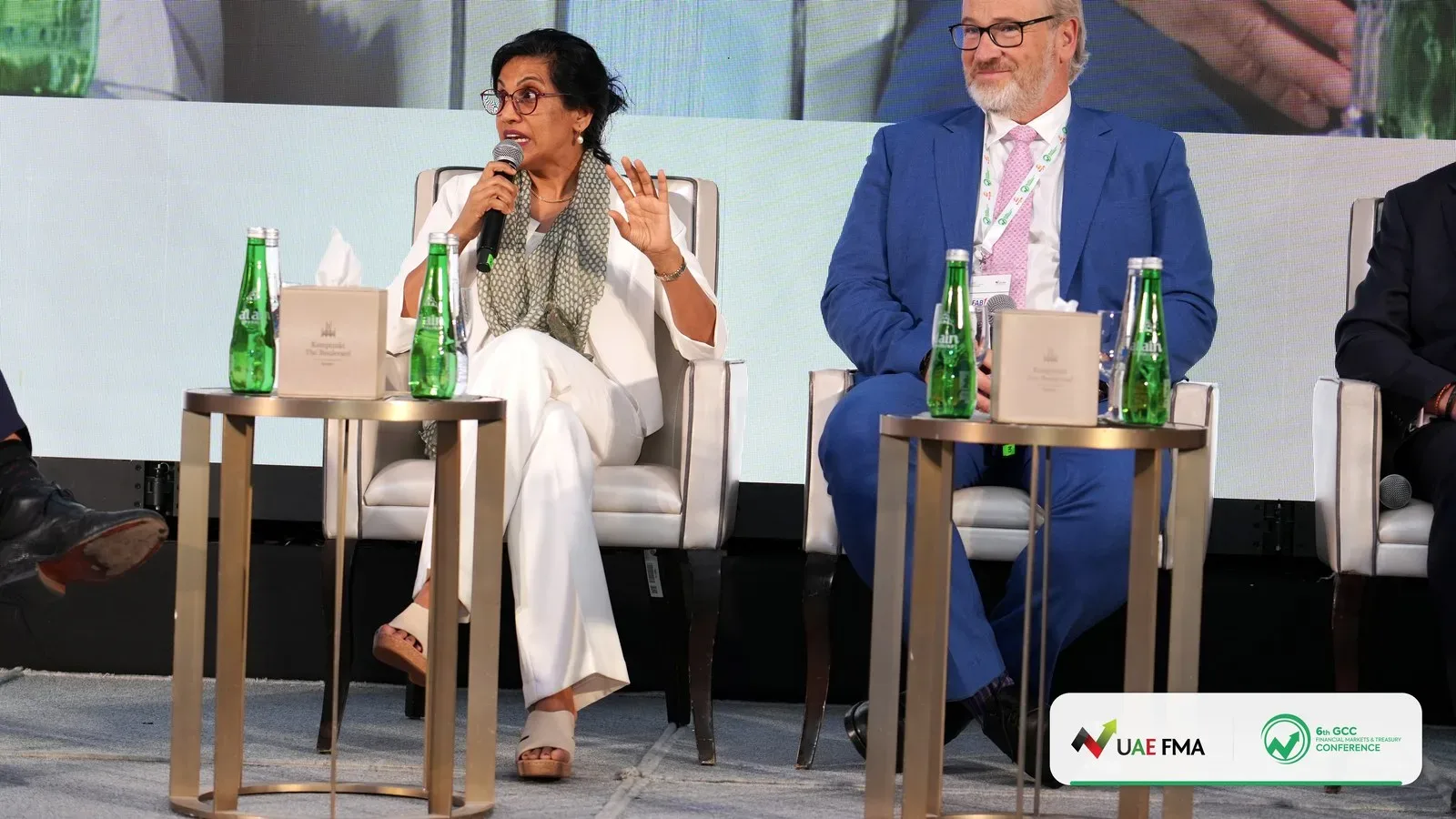
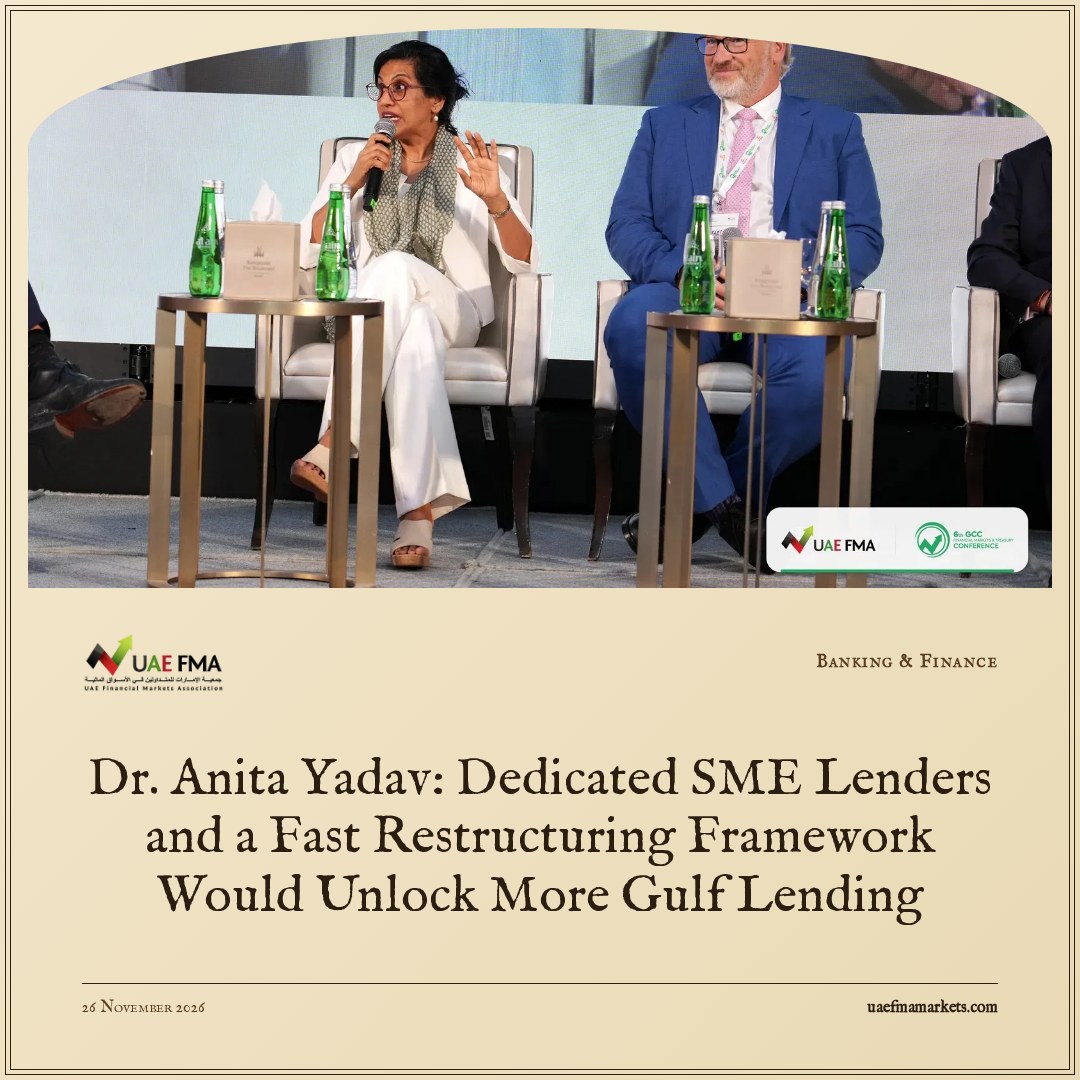
"GCC is a capital-rich region. If you look at Abu Dhabi's slogan, they want to be the capital of capital. So there's plenty of money here." With that, Dr. Anita Yadav, CEO of Global Credit Advisory, set out how more of the Gulf's capital could reach smaller companies, speaking at the 6th GCC Financial Markets & Treasury Conference (GCC FMT 2026) in Dubai.
On the panel on the Role of Financial Markets in Supporting GCC Economic Growth, moderated by David Gibson-Moore, Dr. Yadav said large corporates, many of them owned by governments, government-related entities or large families, generally have little trouble raising money. The segment with the most room to grow is SMEs, which make up a big part of the economy.
A two-part wish list
Asked for one practical step, she said: "I would like to see incentives being rolled out, or special banks being set up, who can cater to providing funding to SMEs." That, she added, works best "in parallel" with a distressed-asset restructuring framework that offers "a quick way" to resolve loans that run into difficulty. "This infrastructure is probably what will help promote more lending into SMEs."

She also pointed to legal clarity as a lever. International private credit funds setting up in the region want to know how a liquidation would work across onshore courts and the common-law systems of the financial free zones, depending on where an asset sits. Clearer rules on recognising rulings between the two, she said, "will probably facilitate and invite and entice more international private credit funds to come and start lending here."
Steps already in place
Dr. Yadav noted that support is already building. Governments offer incentives and fee waivers, the Abu Dhabi Fund for Development backs useful projects that may not fit standard bank pricing, sovereign wealth funds are investing more locally, Emirates Development Bank lends to SMEs, and fintechs such as Tabby and Tamara are helping to provide finance. "Little, little steps are being taken," she said.
For Islamic banks, she added, the growing issuance of local-currency government bonds and bills gives them better tools to manage liquidity and reserves, which "may" allow them to lend more, while wider adoption of AAOIFI's standard documentation will also help the sector grow.
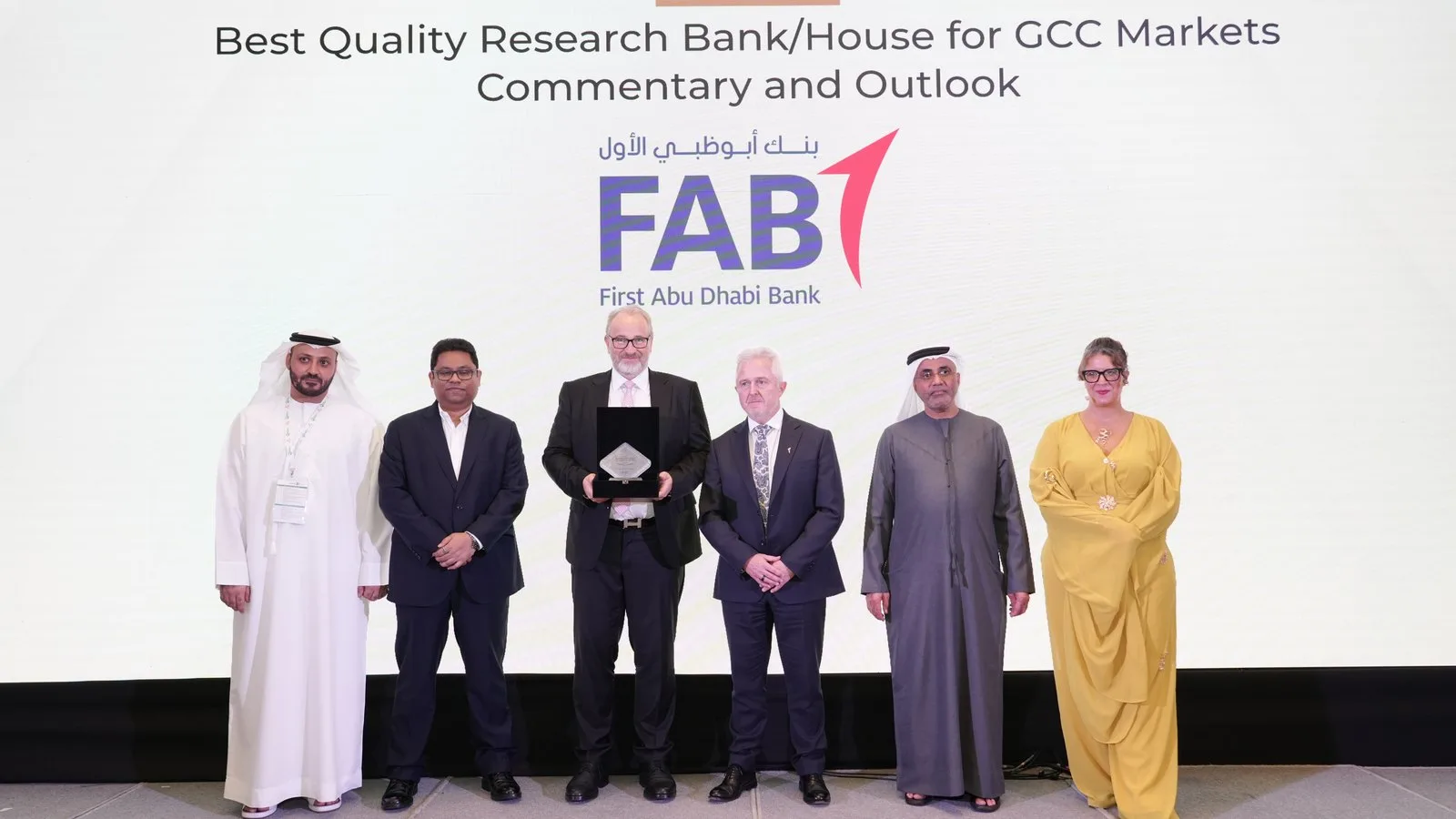
The panel also featured Simon Ballard of First Abu Dhabi Bank, Dr. Irfan Al Hasani and Prof. Uwe Wystup.
The newsroom of UAEFMA Markets, the news service of the UAE Financial Markets Association, covering UAE banking, treasury, capital markets and fintech.