S&P's Dr. Mohamed Damak: Standard Sukuk Documents Are the Key to Unlocking Digital Sukuk
Dr. Mohamed Damak, Global Head of Islamic Finance at S&P Global Ratings, told GCC FMT 2026 that blockchain can bring traceability to sukuk, UAE regulators have solved key hurdles, and digitalisation could open growth in sustainable sukuk.
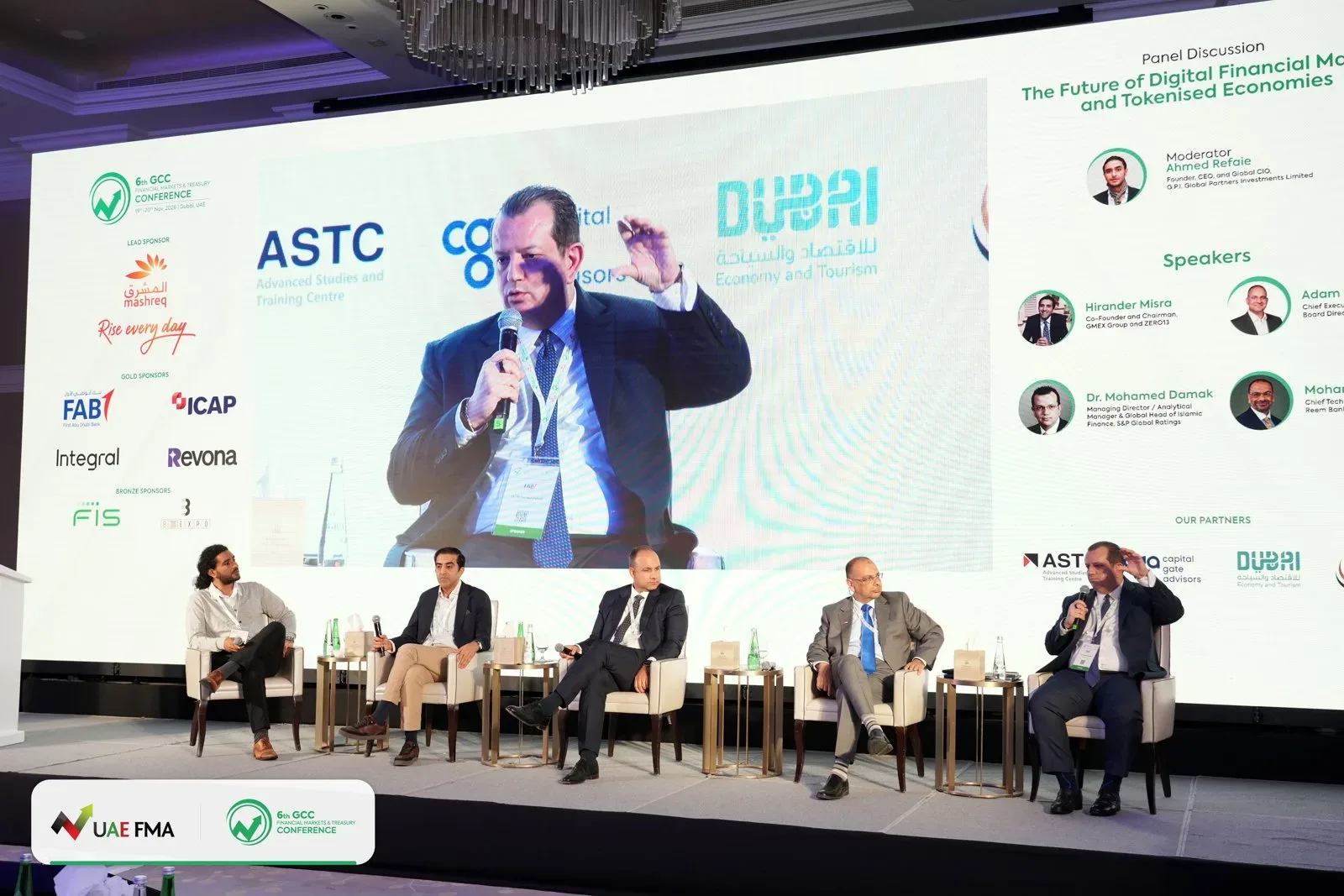
"Blockchain will give you a ledger of who is holding what on a real-time basis." That was how Dr. Mohamed Damak, Managing Director and Global Head of Islamic Finance at S&P Global Ratings, described the promise of technology for the sukuk market at the 6th GCC Financial Markets & Treasury Conference (GCC FMT 2026) in Dubai.
Dr. Damak, who also leads S&P's Middle East ratings for corporates, financial institutions and sovereigns, spoke on the Digital Assets and Tokenization panel. He said he wrote his first article on blockchain and Islamic finance in 2016. The thesis then still holds: because sukuk have underlying assets, blockchain can provide traceability of those assets, and it can show in real time who holds the certificates when investors need to be consulted.
The step digital sukuk still need
For digital sukuk to take off, Dr. Damak said, the industry needs standard legal documents that can be translated into smart contracts. Today, sukuk documentation varies significantly from deal to deal. The goal is a market where an issuer can "take standard legal documents from a shelf", input the amount, plug in the underlying asset and tap the market. "That's a prerequisite to the digitalisation of the sukuk market."
UAE regulators clearing the path
Dr. Damak said S&P believes "blockchain is something that is here to stay as a technology". Of the three challenges the market faces, regulation, bringing money natively on-chain and interoperability, he said that in places like Dubai "some of the regulatory challenges have been resolved", citing VARA, stablecoin regulation and "all the different regulatory initiatives that the different regulators in the UAE have implemented."

S&P already rates digital bonds, and has run its stablecoin stability assessment for three years, now covering more than 90% of stablecoin market capitalisation. Tokenised money market funds it has rated have achieved the same ratings as traditional funds, because "neither the technology nor the smart contract have created additional risk for the investor."
Growth in sustainable sukuk
Sustainable bonds and sukuk are an area S&P expects "will continue to grow, particularly in this part of the world," Dr. Damak said. Issuers often say that a sustainable sukuk is even more complex to issue than a standard one, so a platform that simplifies and digitalises the process "could open significant avenues of growth."
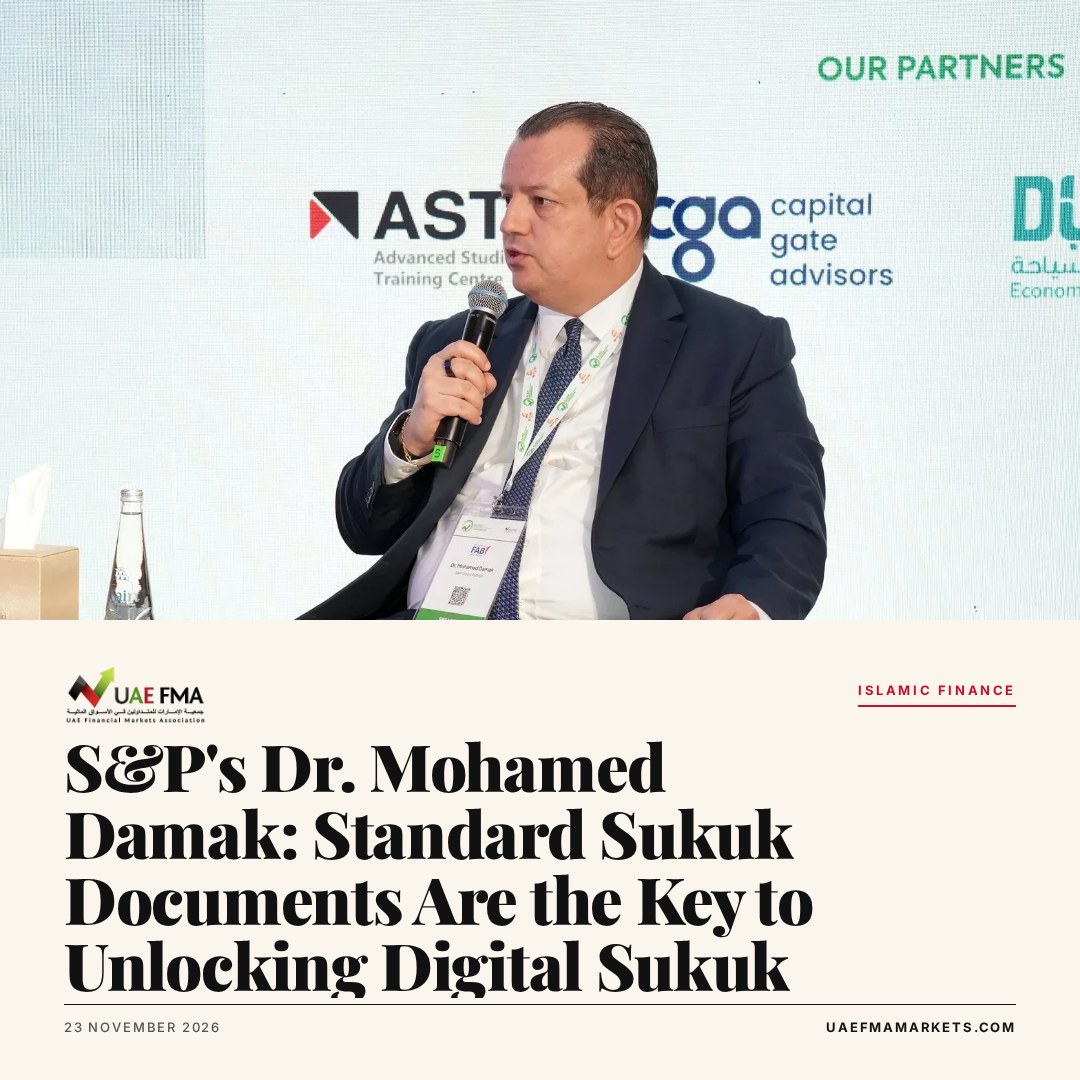
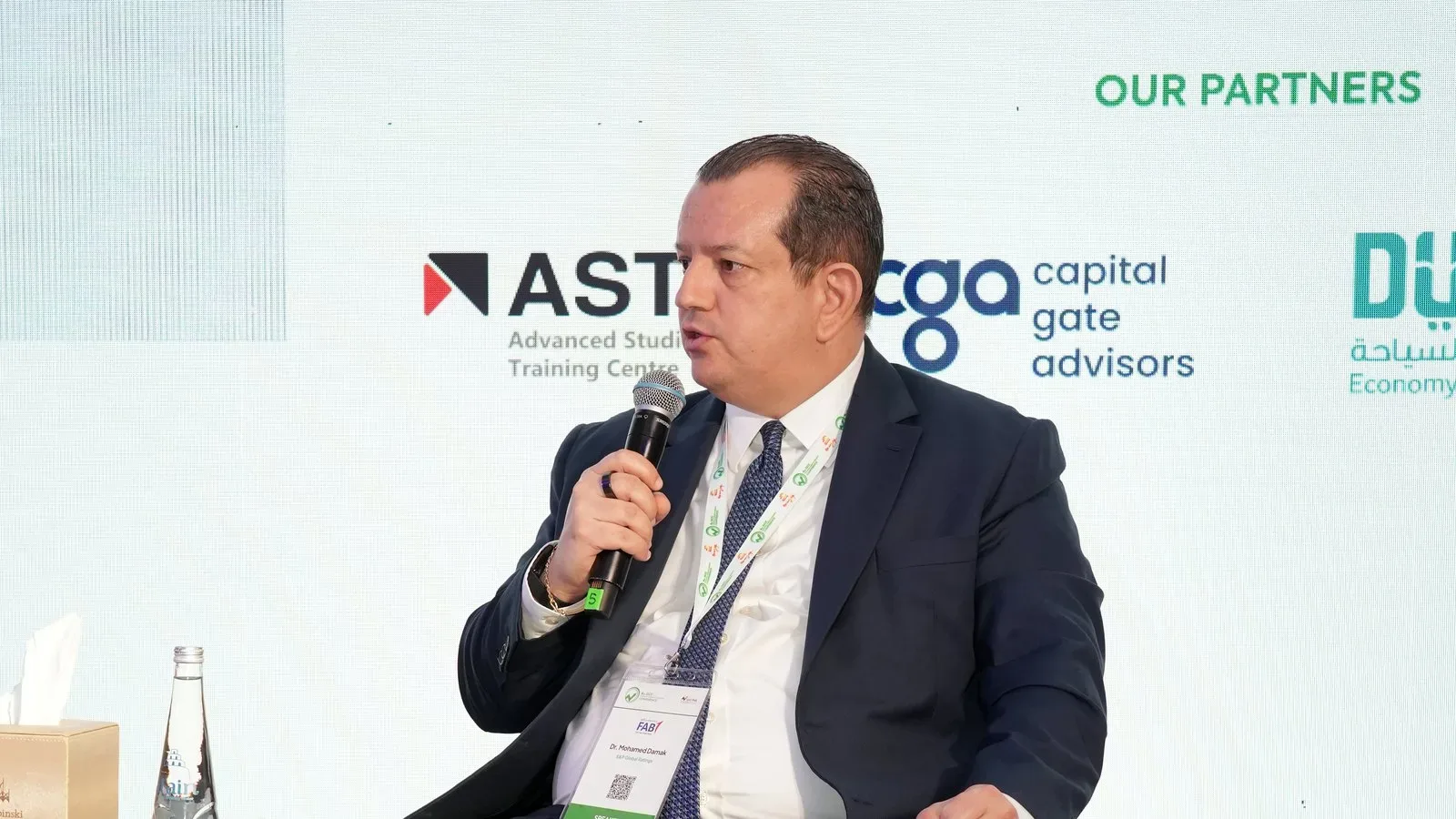
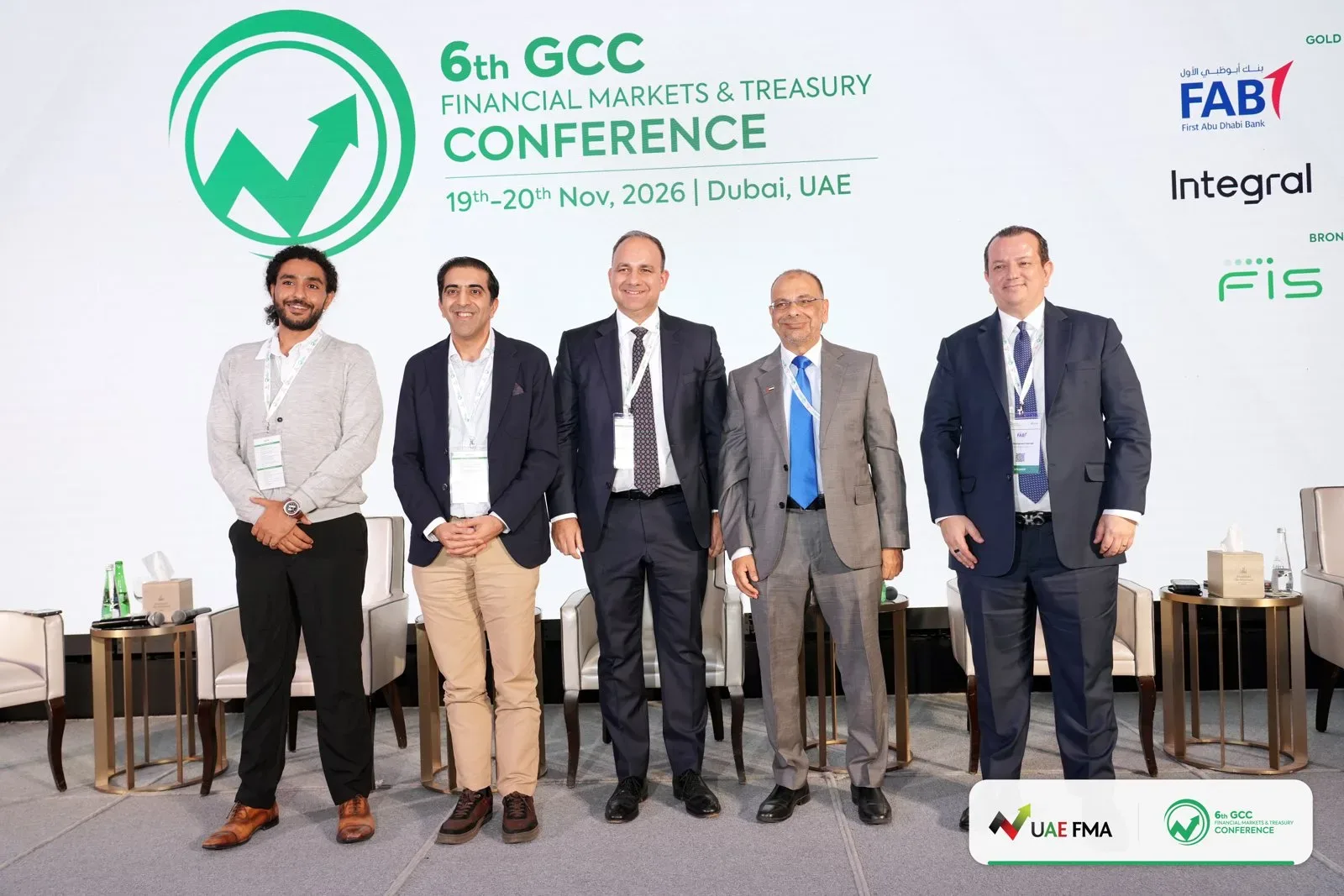
Picture: Dr. Mohamed Damak, Global Head of Islamic Finance at S&P Global Ratings, speaking at the 6th GCC Financial Markets and Treasury Conference in Dubai. · Photo: UAEFMA / GCC FMT 2026

The newsroom of UAEFMA Markets, the news service of the UAE Financial Markets Association, covering UAE banking, treasury, capital markets and fintech.